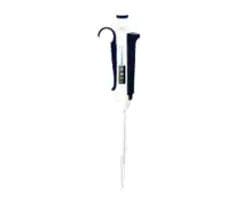
Electronic Single Channel Pipettes
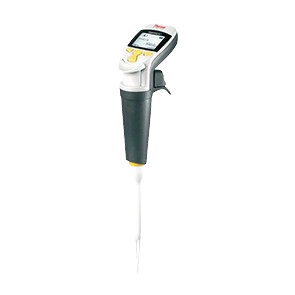
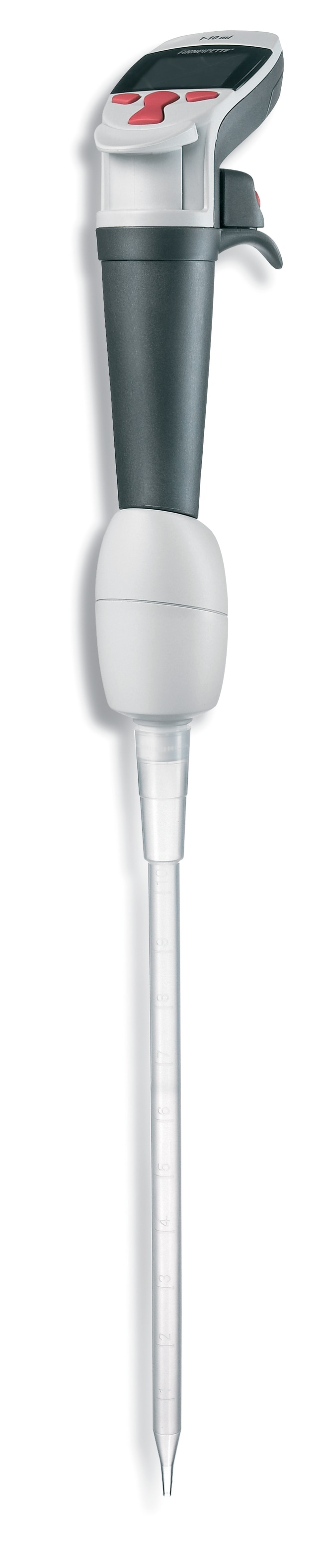
Powered single-channel laboratory devices used with disposable pipette tips to transfer a measured amount of liquid; typically pre-programmed and may be programmable; includes positive-displacement and repeating pipettes.
Useful Links
Save Now - Exclusive Deals

Product Code 15421920

Product Code 11786914

Product Code 17828469

Product Code 16368147
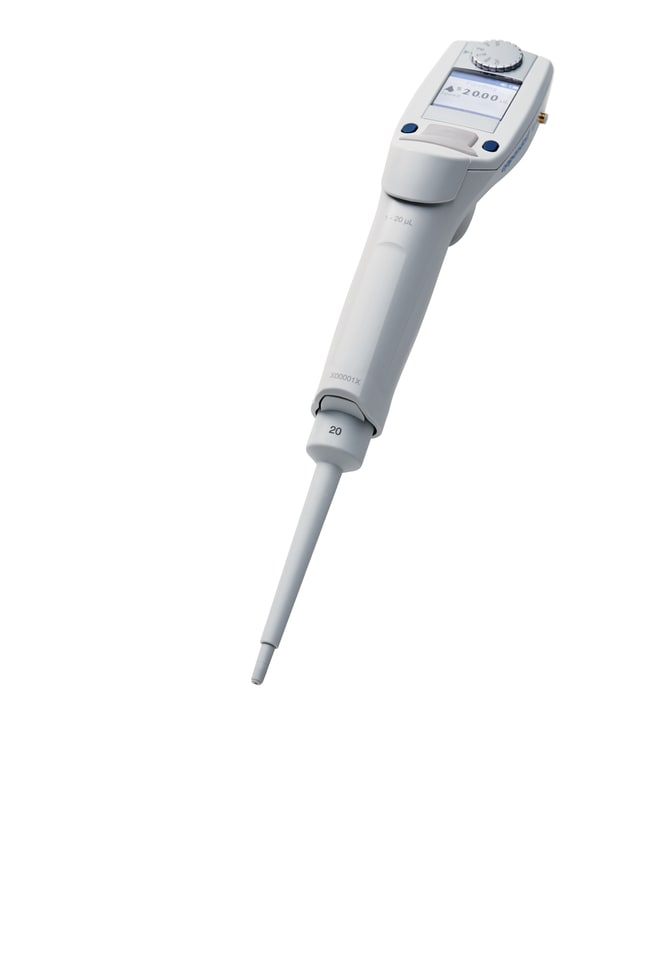
Product Code 16281682

Product Code 17878469

Product Code 11766914

Product Code 17818469

Product Code 11796914

Product Code 15603036

Product Code 10237554

Product Code 17888469

Product Code 15693026
Complete Your Order - Great Deals
Must Have

Product Code 15191093
Product Code 11706924

Product Code 15683026

Product Code 16398147

Product Code 16222401

Product Code 17818479

Product Code 11776914

Product Code 16378147

Product Code 10102472
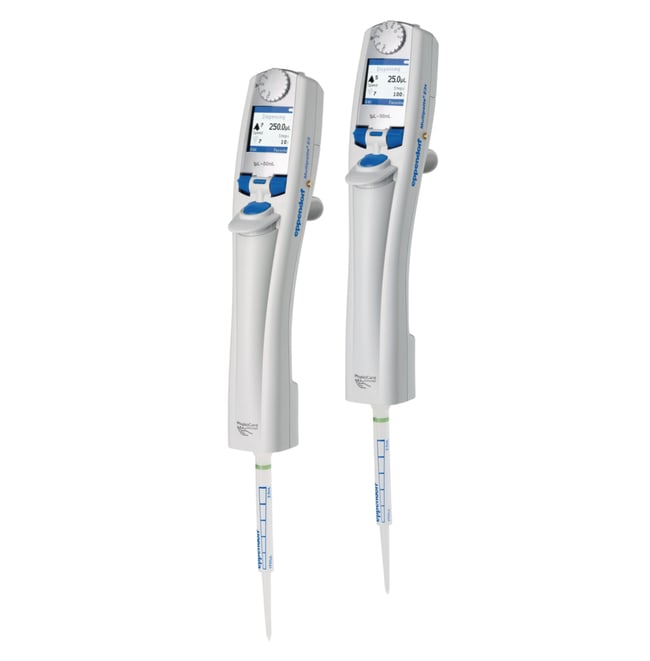
Product Code 15451920

Product Code 13263019

Product Code 11849223
Product Code 11736914

Product Code 15673026
FAQ
Electronic single channel pipettes offer several advantages over manual pipettes. They provide consistent and precise volume measurements, reducing human error and enhancing accuracy. The automated functions, such as dispensing, mixing, and serial dilutions, simplify complex pipetting tasks, making them easier to perform. Additionally, electronic pipettes are designed to reduce physical strain, requiring less manual force for operation and minimizing the risk of repetitive strain injuries. The ability to store and recall multiple protocols further enhances efficiency and reproducibility in experiments.
Calibrating an electronic single channel pipette involves several steps. First, ensure the pipette is clean and in good working condition, using calibration standards and tools recommended by the manufacturer. Enter the calibration mode as per the pipette's user manual, which usually involves navigating through the menu options on the pipette's display. Dispense a known volume of liquid into a balance and compare the measured weight to the expected volume, adjusting the pipette settings accordingly. Repeat the dispensing and measurement process to verify the accuracy of the calibration. Finally, record the calibration results and any adjustments made for future reference.
Regular maintenance of electronic single channel pipettes ensures optimal performance and longevity. It is important to regularly clean the pipette's exterior and interior components to prevent contamination and ensure smooth operation. Proper battery care is essential; charge the pipette's battery as recommended by the manufacturer and replace it if it shows signs of reduced performance. Periodically calibrate the pipette to maintain accuracy, following the manufacturer's guidelines for calibration frequency. Inspect the pipette for wear and tear on seals, o-rings, and other components, and replace any damaged parts as needed. When not in use, store the pipette in a clean, dry place, avoiding exposure to extreme temperatures and humidity.
Top Brands