
DNA Extraction and Purification


Macherey-Nagel™ MN Bead Tubes Type A
2 mL tubes with 0.6–0.8 mm ceramic beads; for homogenization of soil, sediments, and stool.

Macherey-Nagel™ MN Bead Tubes Type B
2 mL tubes with 40–400 μm glass beads; for homogenization of Gram-positive and Gram-negative bacteria.

Macherey-Nagel™ MN Bead Tubes Type C
2 mL tubes with 1–3 mm corundum; for homogenization of yeast and fungi.

Macherey-Nagel™ MN Beads Type G (bulk)
5 mm steel beads; for homogenization of plant material

Macherey-Nagel™ MN Bead Tubes Type G
2 mL tubes with 5 mm steel beads; for homogenization of plant material.

Macherey-Nagel™ MN Beads Type C (bulk)
1 mm corundum; for homogenization of yeast and fungi

Macherey-Nagel™ MN Beads Type B1 (bulk)
40–70 μm glass beads; for homogenization of Gram-positive and Gram-negative bacteria

Macherey-Nagel™ MN Bead Tubes Type F
2 mL tubes with 1–3 mm corundum and 3 mm steel beads; for homogenization of challenging tissues, e.g., spleen, or lung tissue.

Macherey-Nagel™ MN Beads Type A (bulk)
0.6–0.8 mm ceramic beads; for homogenization of soil, sediments, and stool
Macherey-Nagel™ MN Beads Type B2 (bulk)
0.3–0.4 mm glass beads; for homogenization of Gram-positive and Gram-negative bacteria
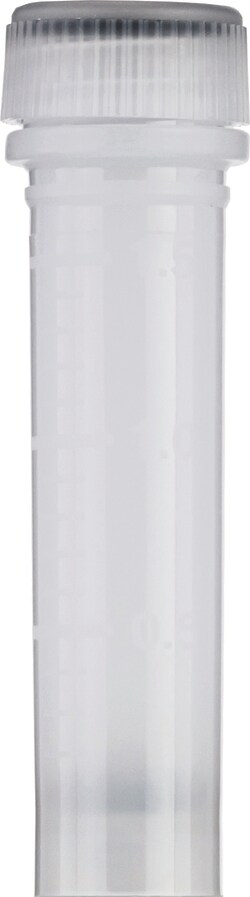
Macherey-Nagel™ MN Bead Tubes Type D
2 mL tubes with 3 mm steel beads; for homogenization of insects, crustaceans, lipid rich tissue.

Macherey-Nagel™ MN Bead Tube Holder
Rubber-foam adapter for processing MN Bead Tubes with Vortex-Genie 2.

Macherey-Nagel™ MN Bead Tubes Type E
2 mL tubes with 3 mm steel beads and 40–400 μm glass beads; for homogenization of bacteria within insects or tissue samples.

Macherey-Nagel™ MN Beads Type D (bulk)
3 mm steel beads; for homogenization of insects, crustaceans, lipid rich tissue

Macherey-Nagel™ MN Bead Tubes Type A 5 mL
5 mL tubes with 0.6–0.8 mm ceramic beads; for homogenization of soil, sediments, and stool.