missing translation for 'onlineSavingsMsg'
Learn More
Learn More

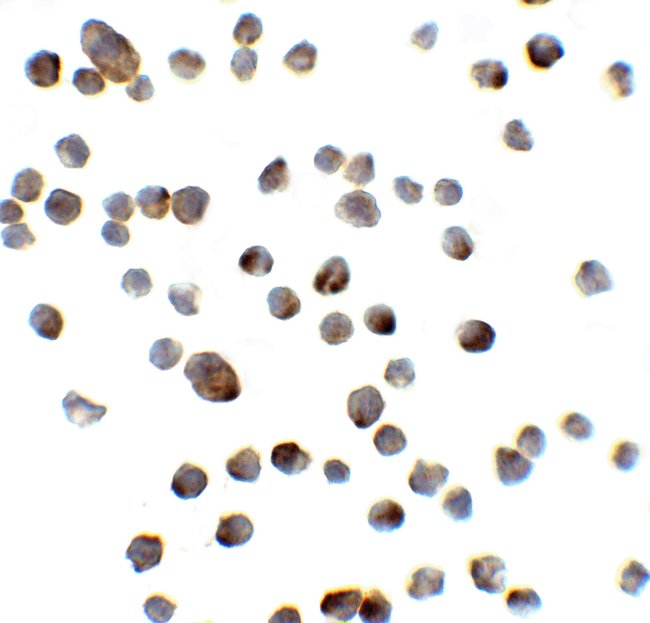
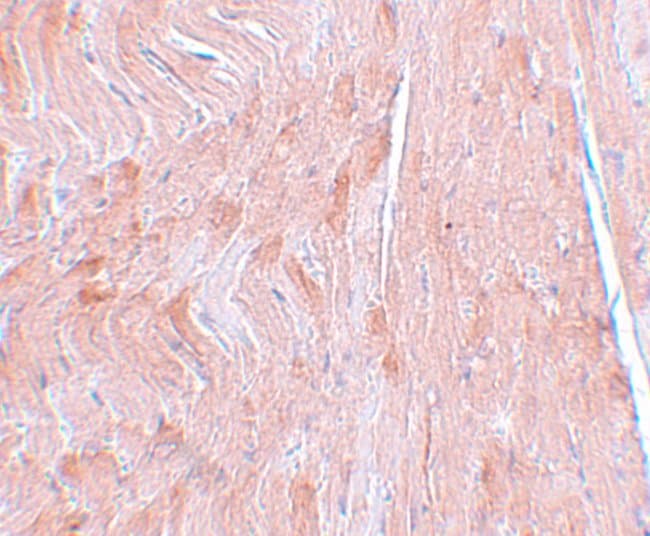

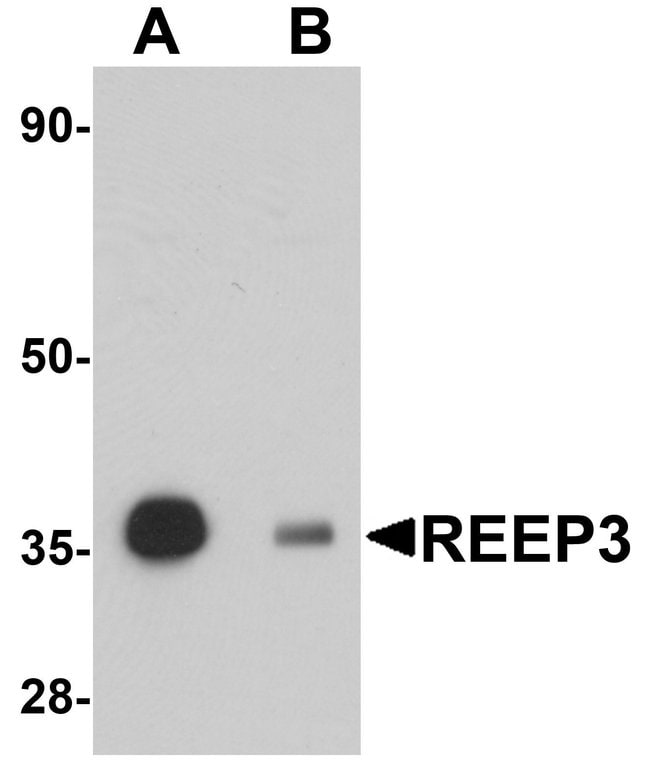
Invitrogen™ REEP3 Polyclonal Antibody
Description
A suggested positive control is rat lung tissue lysate. PA5-20884 can be used with blocking peptide PEP-0998.
Mammalian odorant receptors require accessory proteins such as RTP1 and RTP2 for functional cell surface expression. Receptor expression-enhancing protein (REEP) family members are transmembrane proteins which interact with odorant receptor proteins and may enhance the odorant receptor responses to odorants. Recently studies have shown other chemosensory receptors such as bitter taste receptors are also influenced by RTP and REEP family members. REEP3 has also been suggested as a novel candidate gene for autism and as a loci influencing the plasma levels of the liver enzyme alkaline phosphatase.

Specifications
Specifications
| Antigen | REEP3 |
| Applications | Immunohistochemistry, Western Blot, Immunocytochemistry |
| Classification | Polyclonal |
| Concentration | 1 mg/mL |
| Conjugate | Unconjugated |
| Formulation | PBS with 0.02% sodium azide |
| Gene | REEP3 |
| Gene Accession No. | Q6NUK4, Q99KK1 |
| Gene Alias | C10orf74; D10Ucla1; receptor accessory protein 3; receptor expression enhancing protein 3; receptor expression-enhancing protein 3; REEP3; RGD1560401; RP11-439F7.1; Yip2b |
| Gene Symbols | REEP3 |
| Show More |
Product Title
By clicking Submit, you acknowledge that you may be contacted by Fisher Scientific in regards to the feedback you have provided in this form. We will not share your information for any other purposes. All contact information provided shall also be maintained in accordance with our Privacy Policy.
Spot an opportunity for improvement?