missing translation for 'onlineSavingsMsg'
Learn More

Invitrogen™ NHLRC1 Polyclonal Antibody
GREENER_CHOICE

Product Code. 17712424
Change view
Click to view available options
Quantity:
100 μL
Unit Size:
100µL
1 product options available for selection
Product selection table with 1 available options. Use arrow keys to navigate and Enter or Space to select.
Product Code. Quantity unitSize
17712424 100 μL 100µL
Use arrow keys to navigate between rows. Press Enter or Space to select a product option. 1 options available.
1 options
This item is not returnable. View return policy
Product Code. 17712424 Supplier Invitrogen™ Supplier No. PA5121023

Please to purchase this item. Need a web account? Register with us today!

This item is not returnable. View return policy

Rabbit Polyclonal Antibody

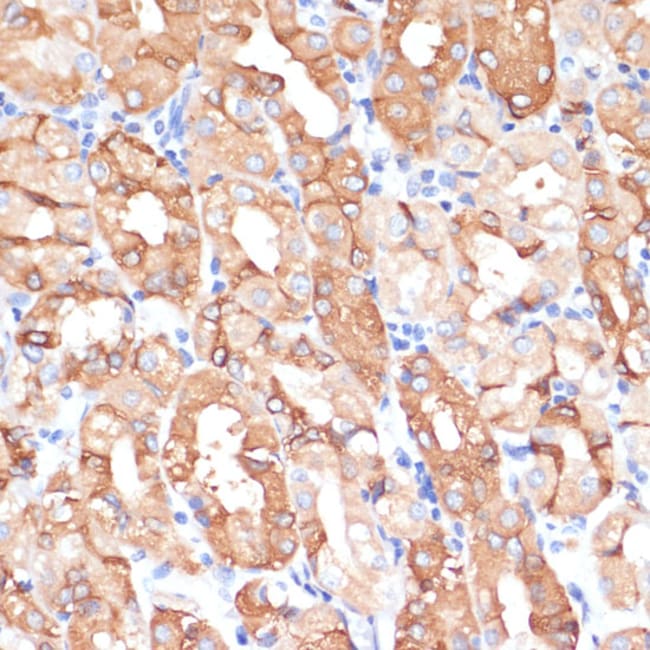
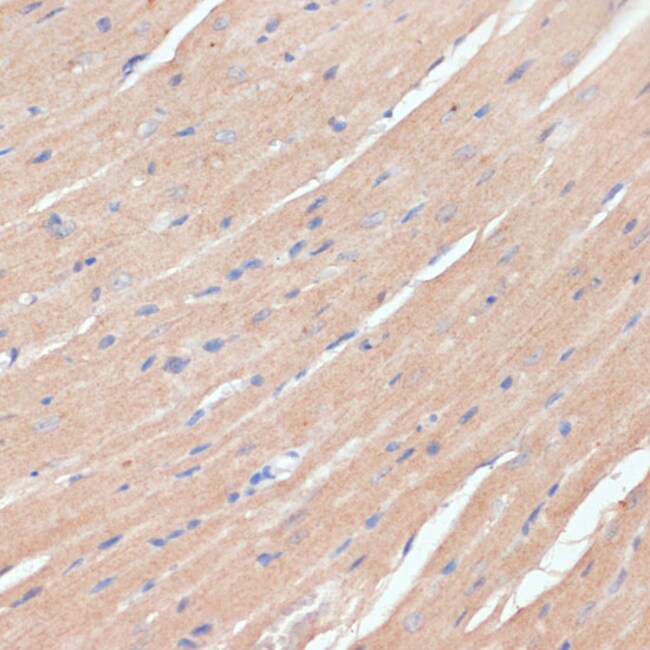
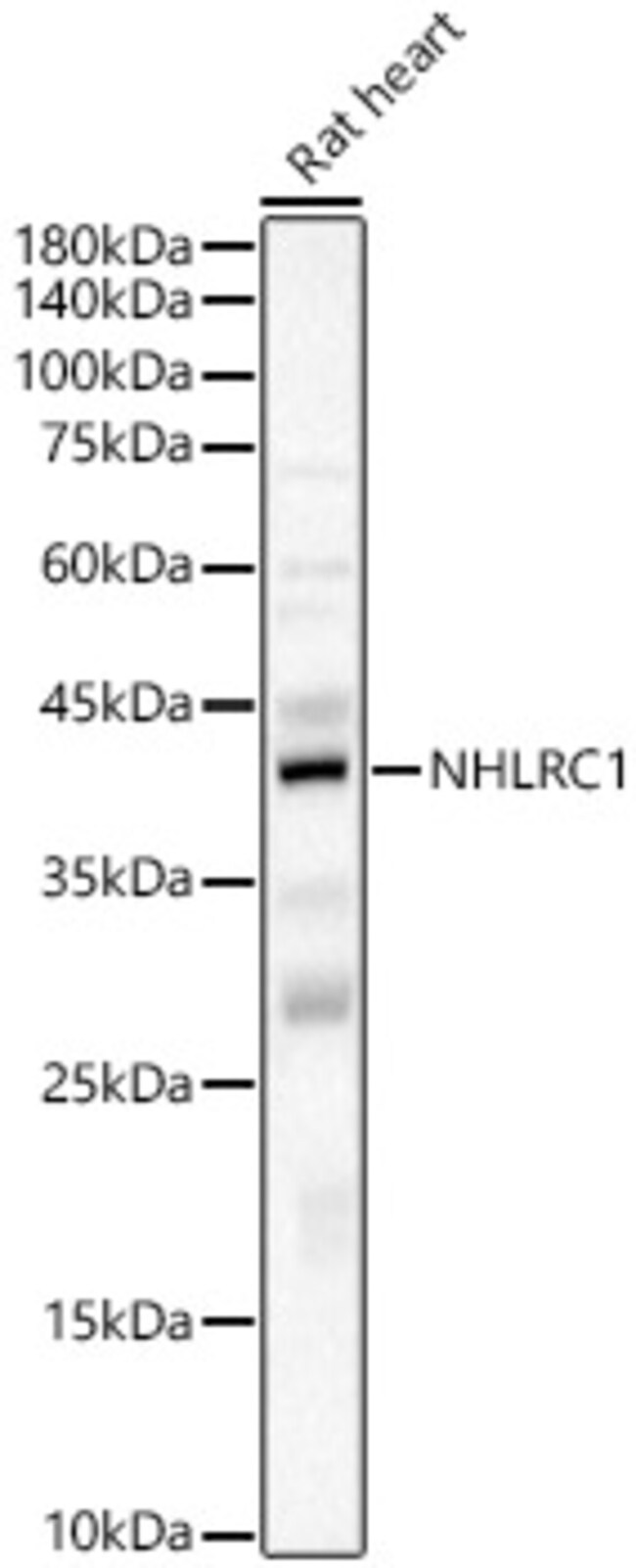
Positive test controls include: Mouse liver, Mouse brain, Mouse heart, Rat brain, Rat heart, Rat liver. The target is usually found in the following locations: Endoplasmic reticulum, Nucleus. Immunogen sequence: MAAEASESGP ALHELMREAE ISLLECKVCF EKFGHRQQRR PRNLSCGHVV CLACVAALAH PRTLALECPF CRRACRGCDT SDCLPVLHLI ELLGSALRQS PAAHRAAPSA PGALTCHHTF GGWGTLVNPT GLALCPKTGR VVVVHDGRRR VKIFDSGGGC AHQFGEKGDA AQDIRYPVDV TITNDCHVVV TDAGDRSIKV FDFFGQIKLV IGGQFSLPWG VETTPQNGIV VTDAEAGSLH LLDVDFAEGV LRRTERLQAH LCNPRGVAVS WLTGAIAVLE.

Progressive myoclonic epilepsy type 2 (EPM2), also called Lafora disease, is an autosomal recessive disease characterized by grand mal seizures and/or myoclonus at about 15 years of age. Rapid and severe mental deterioration follows, often with psychotic features. Survival is less than 10 years after onset. Starch-like, endoplasmic reticulum-associated polyglucosans, called Lafora bodies, can be observed in brain, muscle, liver and heart. One cause of Lafora disease is due to mutations in NHLRC1, the gene encoding Malin. Forty-nine different mutations in NHLRC1 have been shown to cause EPM2. Malin, also called NHL repeat-containing protein 1, is a single subunit E3 ubiquitin ligase, containing 6 NHL repeats and 1 RING-type zinc finger. Malin's RING domain is responsible for its ability to mediate ubiquitination. Malin interacts with and polyubiquitinates Laforin, a protein also implicated in EPM2. Malin localizes to the endoplasmic reticulum and, to a lesser extent, in the nucleus. Malin is expressed in brain, cerebellum, spinal cord, medulla, heart, liver, skeletal muscle and pancreas.
TRUSTED_SUSTAINABILITY

Specifications

Antigen NHLRC1
Applications ELISA, Immunohistochemistry (Paraffin), Western Blot
Classification Polyclonal
Concentration 7.39 mg/mL
Conjugate Unconjugated
Formulation PBS with 50% glycerol and 0.05% ProClin 300; pH 7.3
Gene NHLRC1
Gene Accession No. Q6IMG5, Q6VVB1, Q8BR37
Gene Alias AI505271; B230309E09Rik; bA204B7.2; E3 ubiquitin-protein ligase NHLRC1; EPM2A; EPM2B; Malin; NHL repeat containing 1; NHL repeat containing E3 ubiquitin protein ligase 1; NHL repeat-containing protein 1; NHLRC1; RING-type E3 ubiquitin transferase NHLRC1
Gene Symbols NHLRC1
Host Species Rabbit
Immunogen Recombinant fusion protein containing a sequence corresponding to amino acids 1-280 of human NHLRC1 (NP_9409882).
Purification Method Affinity Chromatography
Quantity 100 μL
Regulatory Status RUO
Primary or Secondary Primary
Gene ID (Entrez) 105193, 364682, 378884
Target Species Human, Mouse, Rat
Content And Storage -20°C, Avoid Freeze/Thaw Cycles
Product Type Antibody
Form Liquid
Isotype IgG
Show More Show Less
Product Title
Select an issue

By clicking Submit, you acknowledge that you may be contacted by Fisher Scientific in regards to the feedback you have provided in this form. We will not share your information for any other purposes. All contact information provided shall also be maintained in accordance with our Privacy Policy.