missing translation for 'onlineSavingsMsg'
Learn More
Learn More
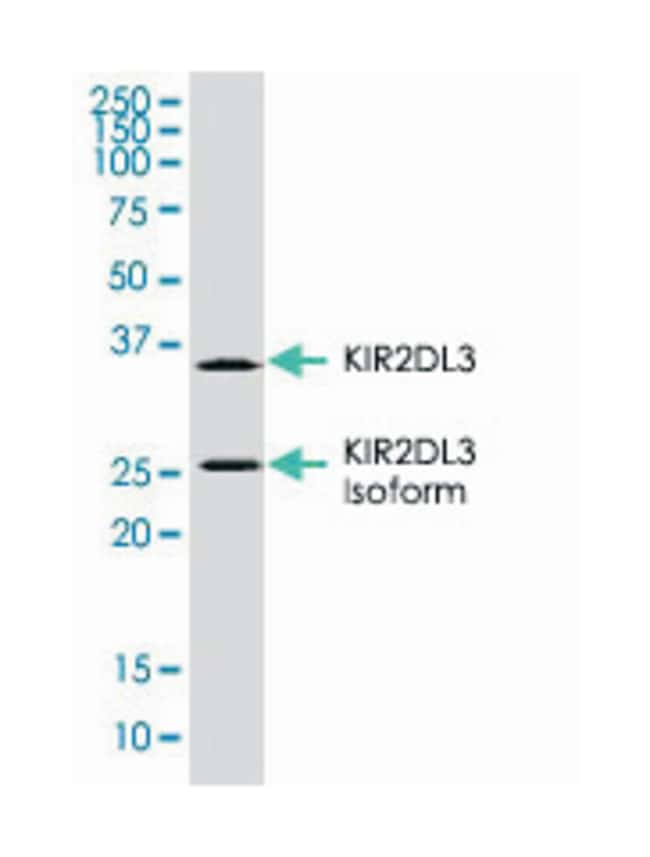
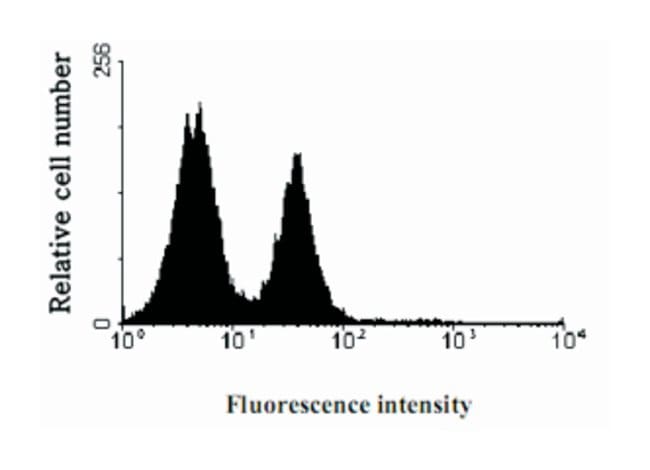
KIR2DL3, Mouse, Clone: 190IIC311, Abnova™
Mouse monoclonal antibody raised against partial recombinant KIR2DL3.
Brand: Abnova MAB1134.100uL
This item is not returnable.
View return policy
Description
Killer cell immunoglobulin-like receptors (KIRs) are transmembrane glycoproteins expressed by natural killer cells and subsets of T cells. The KIR genes are polymorphic and highly homologous and they are found in a cluster on chromosome 19q13.4 within the 1Mb leukocyte receptor complex (LRC). The gene content of the KIR gene cluster varies among haplotypes, although several framework genes are found in all haplotypes (KIR3DL3, KIR3DP1, KIR3DL4, KIR3DL2). The KIR proteins are classified by the number of extracellular immunoglobulin domains (2D or 3D) and by whether they have a long (L) or short (S) cytoplasmic domain. KIR proteins with the long cytoplasmic domain transduce inhibitory signals upon ligand binding via an immune tyrosine-based inhibitory motif (ITIM), while KIR proteins with the short cytoplasmic domain lack the ITIM motif and instead associate with the TYRO protein tyrosine kinase binding protein to transduce activating signals. The ligands for several KIR proteins are subsets of HLA class I molecules; thus, KIR proteins are thought to play an important role in regulation of the immune response. [provided by RefSeq]
Specifications
| KIR2DL3 | |
| Monoclonal | |
| Unconjugated | |
| Flow Cytometry (5-10 ug/106) ELISA (1:1000) Western Blot (1 ug/mL) The optimal working dilution should be determined by the end user. | |
| KIR2DL3 | |
| CD158B2/CD158b/GL183/KIR-023GB/KIR-K7b/KIR-K7c/KIRCL23/MGC129943/NKAT/NKAT2/NKAT2A/NKAT2B/p58 | |
| Mouse | |
| 100 μL | |
| Primary | |
| Human | |
| Liquid |
| ELISA, Flow Cytometry, Western Blot | |
| 190IIC311 | |
| Mouse monoclonal antibody raised against partial recombinant KIR2DL3. | |
| In PBS, pH 7.4 (0.09% sodium azide) | |
| NM_014511 | |
| KIR2DL3 | |
| Recombinant protein corresponding to amino acids 22-245 of human KIR2DL3. | |
| RUO | |
| 3804 | |
| Store at -20°C. Aliquot to avoid repeated freezing and thawing. |
|
| IgG2a κ |
Product Content Correction
Your input is important to us. Please complete this form to provide feedback related to the content on this product.
Product Title
Spot an opportunity for improvement?Share a Content Correction