missing translation for 'onlineSavingsMsg'
Learn More
Learn More
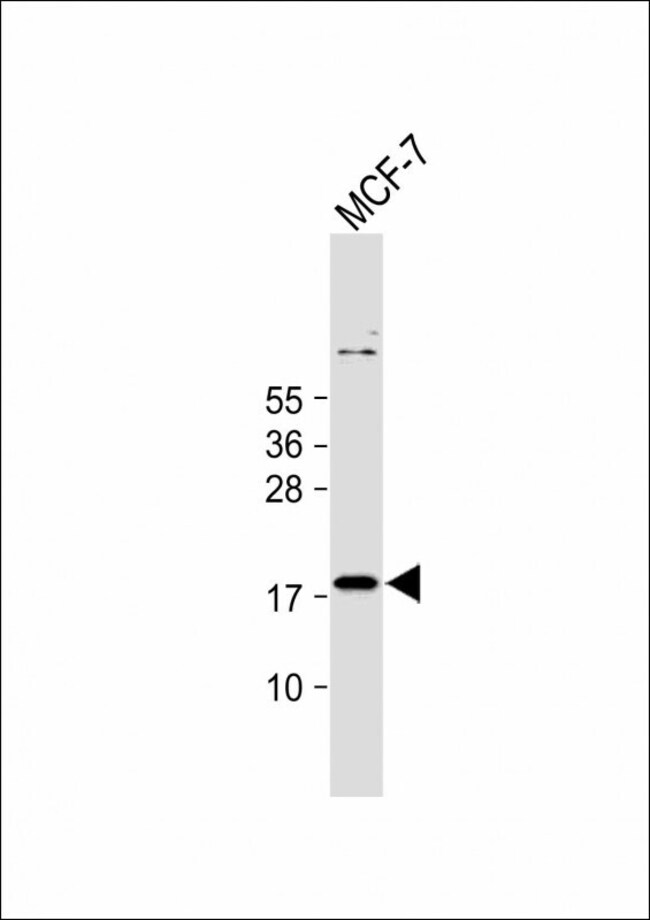
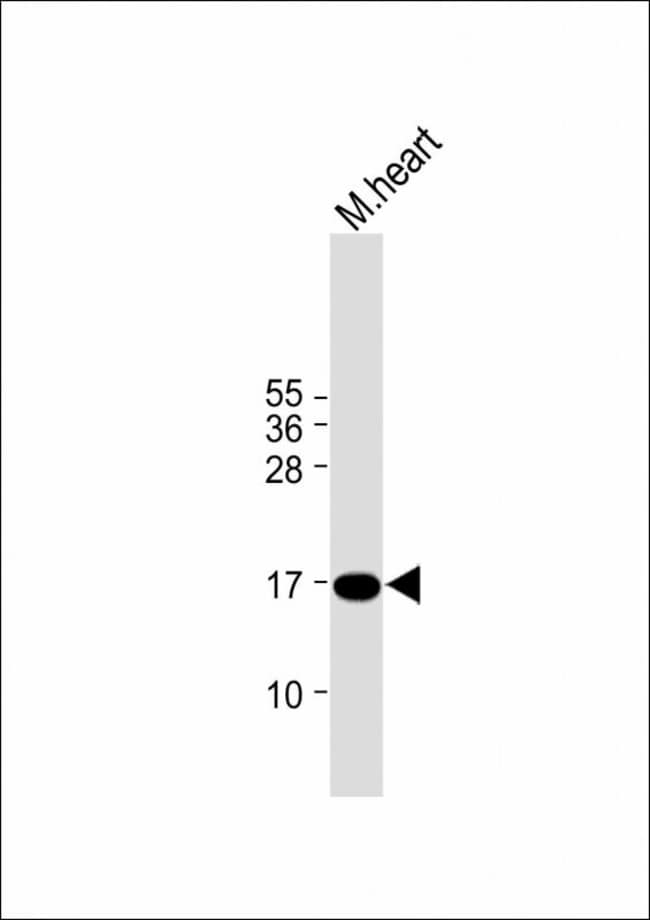
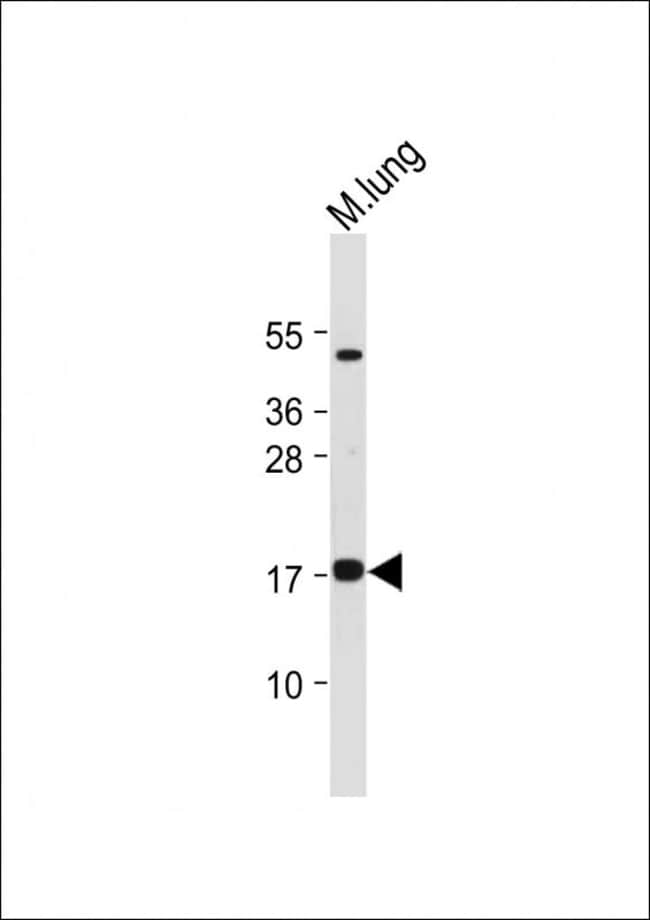
Invitrogen™ IEX-1 Polyclonal Antibody

Rabbit Polyclonal Antibody
Brand: Invitrogen™ PA548274
This item is not returnable.
View return policy
Description
IEX-1 Polyclonal Antibody for Western Blot
IEX-1 is a stress inducible gene that is induced by ionizing radiation, ultraviolet radiation, and a variety of growth factors, i.e., FAS and TNF-a. IEX-1 is widely expressed in epithelial and endocrine tissues, as well as in vascular endothelium. It plays an important role in the regulation of cellular growth, cell death and oncogenesis. IEX-1 is precisely regulated by multiple transcription factors such as p53, NF-kappa-B/rel, Sp1 and c-Myc, to ensure rapid and transient expression of IEX-1 in cells under a variety of stress conditions. IEX-1 is expressed as both a longer form (IEX1L) and a splice variant, designated IEX1S. It is localized to the nucleus and perinuclear region. Overexpression of IEX-1 facilitates apoptosis and cell cycle progression, whereas disruption of IEX-1 expression is associated with decreases in both apoptosis and cell cycle progression.
Specifications
| IEX-1 | |
| Polyclonal | |
| Unconjugated | |
| IER3 | |
| AI663993; anti-death protein; cAMP inducible gene 3; cI-3; DADB-118P11.5; Dif2; DIF-2; differentiation-dependent gene 2 protein; expressed in pancreatic carcinoma; GLY96; gly96, mouse, homolog of; IER3; IEX1; IEX-1; IEX-1L; immediate early protein GLY96; immediate early response 3; immediate early response 3 protein; immediately early gene X-1; Ler3; PACAP-responsive gene 1 protein; PRG1; Protein DIF-2; Protein PRG1; Radiation-inducible immediate-early gene IEX-1 | |
| Rabbit | |
| Antigen affinity chromatography | |
| RUO | |
| 15937, 8870 | |
| Store at 4°C short term. For long term storage, store at -20°C, avoiding freeze/thaw cycles. | |
| Liquid |
| Western Blot | |
| 0.45 mg/mL | |
| PBS with 0.09% sodium azide; pH 7.4 | |
| P46694, P46695 | |
| IER3 | |
| KLH conjugated synthetic peptide between 38-65 amino acids from the N-terminal region of human IER3. | |
| 400 μL | |
| Primary | |
| Human, Mouse | |
| Antibody | |
| IgG |
Product Content Correction
Your input is important to us. Please complete this form to provide feedback related to the content on this product.
Product Title
Spot an opportunity for improvement?Share a Content Correction