missing translation for 'onlineSavingsMsg'
Learn More
Learn More
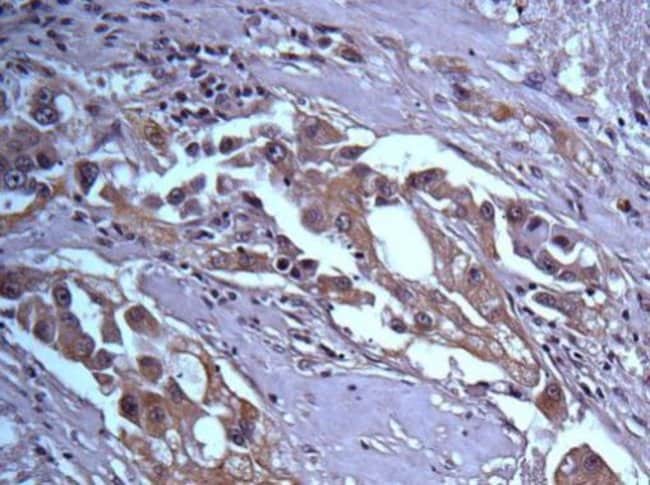

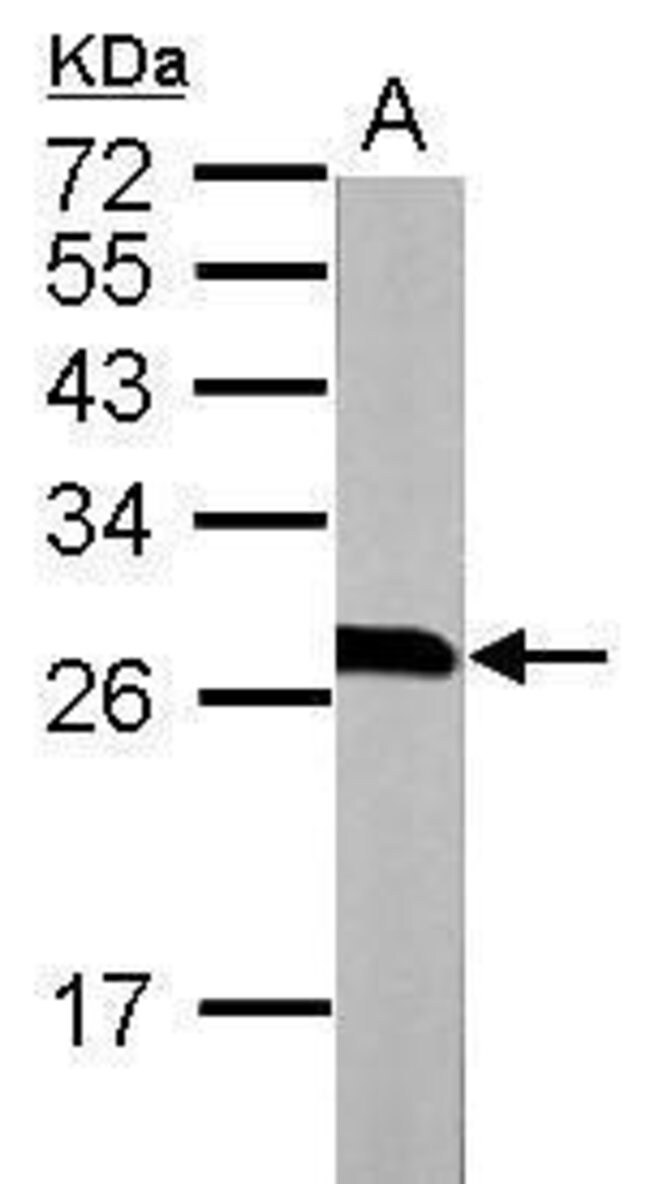
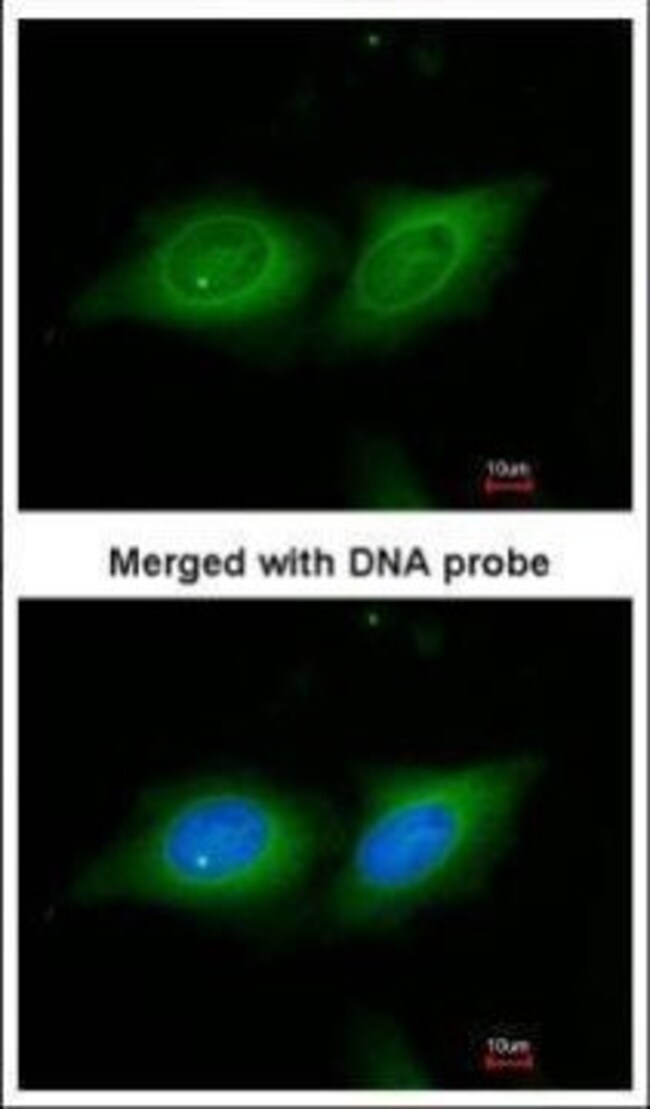
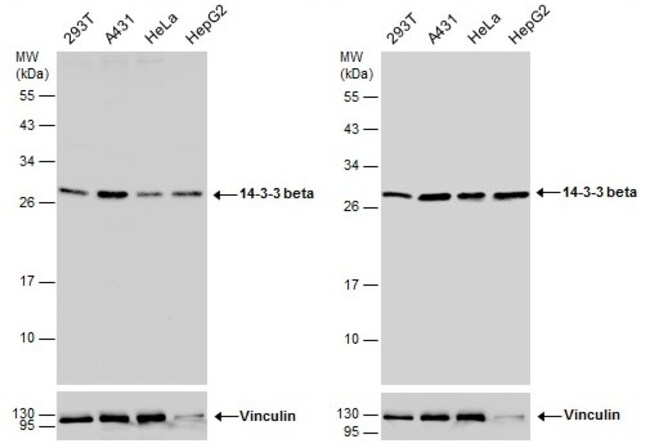
Invitrogen™ 14-3-3 beta Polyclonal Antibody
Rabbit Polyclonal Antibody
Brand: Invitrogen™ PA529689
This item is not returnable.
View return policy
Description
Recommended positive controls: 293T, A431, HeLa, HepG2, mouse brain, YWHAB shRNA-transfected 293T. Predicted reactivity: Mouse (97%), Rat (97%), Xenopus laevis (89%), Chicken (97%), Rhesus Monkey (100%), Bovine (100%). Store product as a concentrated solution. Centrifuge briefly prior to opening the vial.
14-3-3, a family of acidic and soluble proteins, highly conserved in amino acid sequences from yeast to mammals, is expressed in all eukaryotic cells. Seven isoforms(beta, gamma, epsilon, eta, zeta, sigma and tau/theta) encoded by seven distinct genes are identified in mammals and forms homo- and hetero- dimeric cup-shaped structures. As 14-3-3 is interacted with more than 100 binding partners, it regulates key proteins involved in various biological processes such as signal trans-duction, cell cycle, transcriptional control, cell proliferation, apoptosis, and ion channel physiology. Most 14-3-3 requires phosphorylation of serine or threonine residues in the target sequence. This protein is abundantly expressed in the brain and has been detected in the cerebrospinal fluid of patients with different neurological disorders.
Specifications
| 14-3-3 beta | |
| Polyclonal | |
| Unconjugated | |
| YWHAB | |
| 1300003C17Rik; 14-3-3 alpha; 14-3-3 protein beta; 14-3-3 protein beta/alpha; 14-3-3 protein beta/alpha, N-terminally processed; 14-3-3 protein beta-subtype; 3-monooxygenase/tryptophan 5 monooxygenase activation protein beta polypeptide; brain protein 14-3-3, beta isoform; epididymis secretory protein Li 1; GW128; HEL-S-1; HS1; hypothetical protein GW128; KCIP 1; KCIP1; KCIP-1; Prepronerve growth factor RNH-1; protein 1054; Protein kinase C inhibitor protein 1; protein kinase C inhibitor protein-1; QccE-16215; RP1-148E22.1; tryosine 3-monooxygenase/tryptophan 5-monooxygenase activation protein beta polypeptide; tryosine 3-monooxygenase/tryptophan 5-monooxygenase activation protein gamma; tyrosine 3/tryptophan 5 -monooxygenase activation protein beta polypeptide; tyrosine 3/tryptophan 5 -monooxygenase activation protein, beta polypeptide; tyrosine 3-monooxgenase/tryptophan 5 monooxgenase activation protein beta polypeptide; tyrosine 3-monooxgenase/tryptophan 5 monooxgenase activation protein, beta polypeptide; tyrosine 3-monooxgenase/tryptophan 5-monooxgenase activation protein, beta polypeptide; tyrosine 3-monooxygenase/tryptophan 5-monooxygenase activation protein beta; tyrosine 3-monooxygenase/tryptophan 5-monooxygenase activation protein, alpha polypeptide; tyrosine 3-monooxygenase/tryptophan 5-monooxygenase activation protein, beta; tyrosine 3-monooxygenase/tryptophan 5-monooxygenase activation protein, beta polypeptide; unnamed protein product; YWHAA; Ywhab | |
| Rabbit | |
| Antigen affinity chromatography | |
| RUO | |
| 54401, 7529 | |
| Store at 4°C short term. For long term storage, store at -20°C, avoiding freeze/thaw cycles. | |
| Liquid |
| Immunohistochemistry (Paraffin), Western Blot, Immunocytochemistry | |
| 1 mg/mL | |
| 0.1M tris glycine with 10% glycerol and 0.01% thimerosal; pH 7 | |
| P31946, Q9CQV8 | |
| YWHAB | |
| Recombinant protein encompassing a sequence within the center region of human 14-3-3 beta. The exact sequence is proprietary. | |
| 100 μL | |
| Primary | |
| Human, Mouse | |
| Antibody | |
| IgG |
Product Content Correction
Your input is important to us. Please complete this form to provide feedback related to the content on this product.
Product Title
Spot an opportunity for improvement?Share a Content Correction